

7 days · Safari
Serengeti Migration Safari
Built around where the herds actually are. We move our Serengeti nights north or south with the season rather than fixing them in advance.
Is this trip for you?
Trip type
Private departure
Every safari is yours alone: your own Land Cruiser, your own driver-guide, your own dates. We do not sell seats on a shared vehicle, so the day runs at your pace and the itinerary changes when you want it to.
Ages
All ages
Children are welcome and we run family safaris regularly. A few camps set minimum ages, and long transfer days are hard on younger children, so family itineraries get shorter drives and more rest.
Fitness
No fitness requirement
Game drives are done sitting down. The demanding part is the road, not the walking. Tell us about mobility needs and we will plan around them.
Group size: 1 to 7 travellers per vehicle, everyone on a window seat
Day by day.
-
1
Arusha to Tarangire
Afternoon game drive in Tarangire. Overnight near the park.
- Overnight
- Near Tarangire
- Where
- Tarangire National Park
- Driving
- 2 to 2.5 hours from Arusha
- Meals
- Lunch and dinner
-
2
Tarangire to the Serengeti
Through the Ngorongoro highlands and onto the plains, with game viewing as we go. Overnight in the Serengeti, positioned for the season.
- Overnight
- Serengeti, positioned for the herds
- Where
- Ngorongoro highlands, then Serengeti
- Driving
- 6 to 8 hours depending on where the migration is
- Meals
- Breakfast, lunch and dinner
-
3
Following the herds
A full day tracking the migration. Between July and September that means the northern Mara River crossings; from January to March it means the southern calving grounds. Overnight in the Serengeti.
- Overnight
- Serengeti, positioned for the herds
- Where
- Serengeti National Park
- Driving
- A full day out with a picnic lunch
- Meals
- Breakfast, lunch and dinner
-
4
Second full migration day
Another full day with the herds. Crossings cannot be scheduled — being there early and waiting is the only method that works. Overnight in the Serengeti.
- Overnight
- Serengeti, positioned for the herds
- Where
- Serengeti National Park
- Driving
- A full day out with a picnic lunch
- Meals
- Breakfast, lunch and dinner
-
5
Central Serengeti
We work back through the central Serengeti, where resident lion, leopard and cheetah are least dependent on the migration. Overnight in the Serengeti.
- Overnight
- Central Serengeti
- Where
- Serengeti National Park
- Driving
- 3 to 5 hours back towards Seronera
- Meals
- Breakfast, lunch and dinner
-
6
Serengeti to the Ngorongoro rim
A final morning on the plains, then the drive to the crater rim. Overnight on the rim.
- Overnight
- Ngorongoro rim
- Where
- Serengeti, then Ngorongoro
- Driving
- 5 to 6 hours east
- Meals
- Breakfast, lunch and dinner
-
7
Crater descent and return
Dawn descent, a long morning on the crater floor, then back to Arusha or Moshi.
- Overnight
- You travel home
- Where
- Ngorongoro Crater
- Driving
- 4 to 5 hours after the crater
- Meals
- Breakfast and a picnic lunch
Where you sleep.
Camping
Einoti's own camping safari: a two-person tent on the public campsites inside or beside the parks, pitched by the crew, with a safari cook travelling with you and cooking on site. Bring a sleeping bag and mat, or hire them from us. It is the cheapest way to travel and the closest to the bush you will get.
Comfort
Small lodges and permanent tented camps just outside the parks. En-suite bathrooms, hot water, solid food and a real bed. The difference from the tier above is the location and the size of the room, not the safety or the cleanliness. Note that there is no accommodation inside Lake Manyara National Park at any tier: the options there are around Karatu or inside the Ngorongoro Conservation Area.
Classic
Mid-range lodges and tented camps, usually inside the park or on its boundary, which buys you an earlier start at the gate and a longer evening. Pools at most properties, and a proper restaurant.
Premium
Small luxury camps and lodges in the best positions on each circuit, including mobile camps that follow the migration. Fewer rooms, more staff, and a view you will not want to leave in the morning.
We book against availability for your dates rather than naming a property we may not be able to get you into. Your written quotation names every lodge and camp before you pay anything.
What is included
- All park entrance and administrative fees
- All meals while on safari
- 1.5 litres of drinking water per person per day
- Transfers from and to your hotel
- 4x4 Land Cruiser with a pop-up roof while on safari
- Professional English-speaking driver-guide
- Staff fees
- Accommodation where noted in the itinerary
- A walking tour in those protected areas that allow one
Not included
- International airfares and departure taxes
- Visa fees
- All items of a personal nature
- Tips and gratuities for hotel and lodge staff, camp staff, your driver and guides
- Alcoholic and non-alcoholic drinks
- Laundry services
When to go.
June to October — dry season
The busiest and most expensive months, and the easiest game viewing of the year. Water is scarce, so animals concentrate on the rivers and waterholes and the grass is short enough to see through. The Mara River crossings fall in the northern Serengeti between roughly July and September.
January to March — short dry season
Hot, green and much quieter than the June-to-October rush. The wildebeest are calving on the southern Serengeti plains in February, which is the single best month of the year for predator sightings.
November to December — short rains
Rain falls in the afternoon and rarely stops a day. The parks are green, the migration is moving south, and both lodges and park traffic are lighter.
April and May — long rains
The wettest months. Some camps close and some tracks become difficult, but the parks are empty and the light is extraordinary. We plan these trips around the surfaced roads and the lodges that stay open.
Questions about this trip.
Can you guarantee we will see the migration?
No, and nobody honestly can. The herds move with the grass and the rain, not with a calendar. What we do is position your camps for where they are likely to be in your month and move you if they are somewhere else.
When are the Mara River crossings?
Roughly July to September in the northern Serengeti, and even then a crossing happens when the herd decides to cross. Plan for the north in those months and treat the crossing itself as luck.
Where should we be in February?
The southern plains around Ndutu, for the calving. It is the densest concentration of predators anywhere in Tanzania and it is far less crowded than the July rush.
On this route
Where you will be.


Compare
Other safari journeys.
Tarangire, Ngorongoro & Lake Manyara
The shortest itinerary that still does the northern circuit justice: elephants in Tarangire, the forest and lake at Manyara, and a full descent into the Ngorongoro Crater.
- Tarangire's dry-season elephant herds
- Full crater descent
- Groundwater forest at Manyara
Pricing on request View itinerary

Tarangire, Serengeti & Ngorongoro
The classic four-day northern circuit, taking in elephant country, the Serengeti plains and the crater floor without ever feeling rushed.
- A full day in the Serengeti
- Crater floor game drive
- Tarangire baobabs and elephant
Pricing on request View itinerary
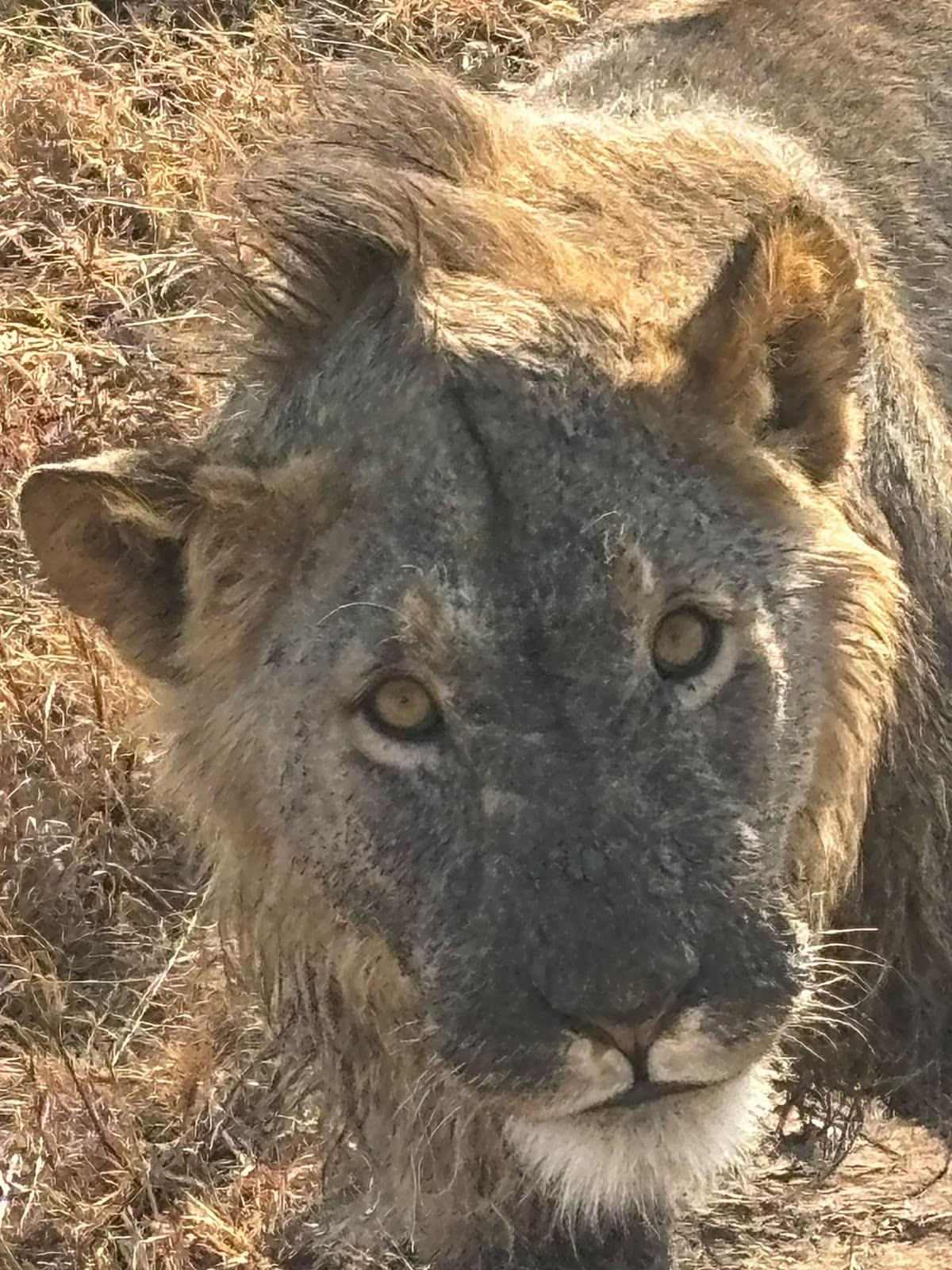
Serengeti & Ngorongoro Classic
Two full days on the Serengeti plains plus the crater, with enough time to sit with a sighting instead of moving on from it.
- Two full Serengeti days
- Crater floor descent
- Optional dawn balloon flight
Pricing on request View itinerary
Plan it with us
Make this itinerary yours.
Add days, drop a park, change the pace. This is a starting point, not a fixed departure.